Top Answer Engine Optimization Strategies for 2026 Success
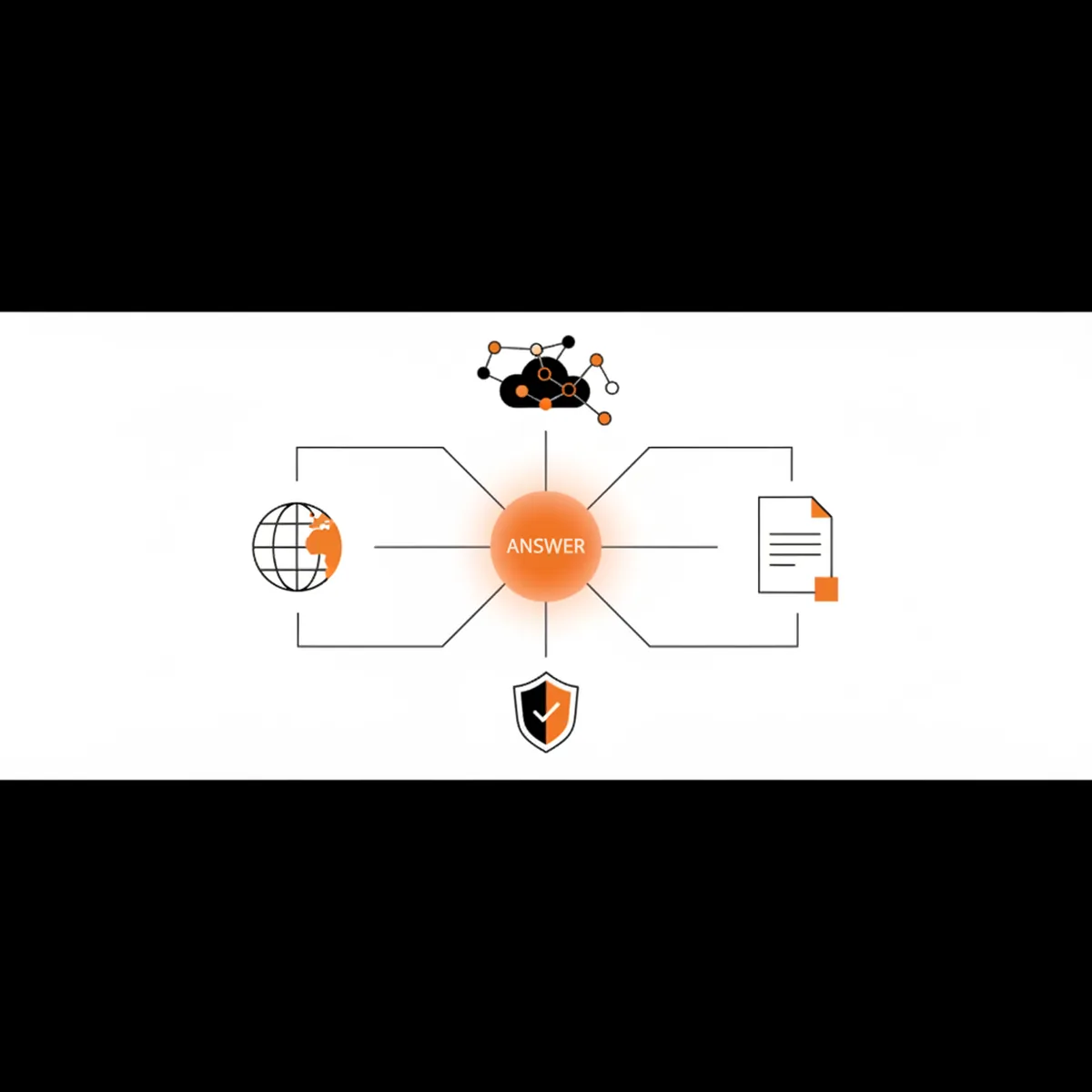
Strategic AEO implementation ensures your brand remains visible in the age of generative AI.
Quick answer
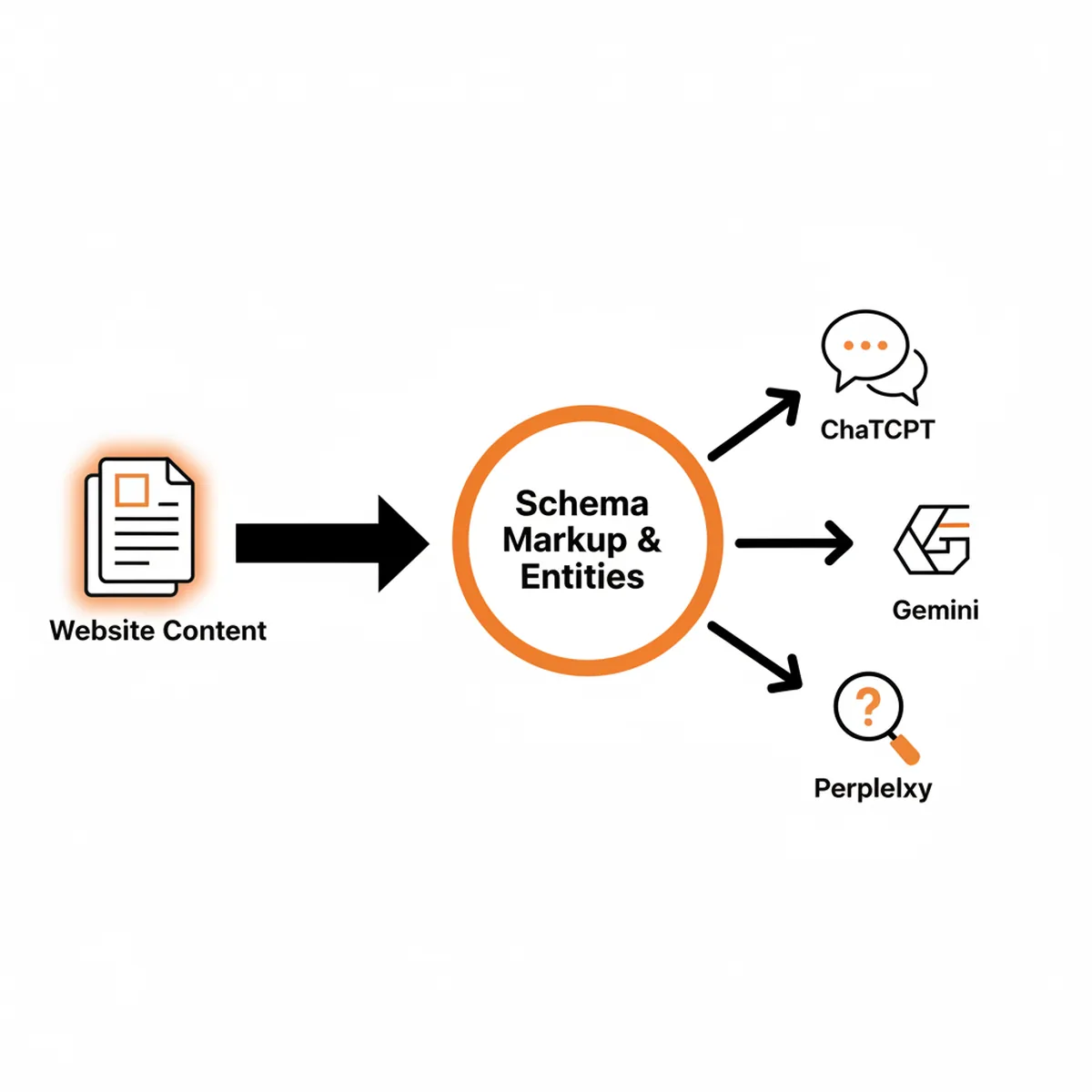
The top answer engine optimization strategies in 2026 focus on structuring data with Schema markup, creating conversational content that matches specific intent, and establishing brand authority through E-E-A-T. Success requires optimizing for direct responses in AI models like ChatGPT, Perplexity, and Gemini by providing clear, factual, and verifiable information.
Top answer engine optimization strategies involve a mix of technical structure and semantic clarity. You need to focus on entity-based content creation, comprehensive schema implementation, and maintaining a high-authority digital footprint. In 2026, answer engines prioritize information that is structured for machine readability while remaining helpful for human users. By aligning your website architecture with the way Large Language Models (LLMs) process information, you ensure your brand becomes the preferred source for AI-generated responses. This approach shifts the focus from simple keyword ranking to becoming a verified entity within the global knowledge graph.
What is Answer Engine Optimization in 2026?
To master AEO, you must understand the core components that drive AI visibility. Answer Engine Optimization (AEO) is the process of optimizing web content to be the primary source for AI-driven search results and conversational agents. Unlike traditional SEO, which focuses on link clicks, AEO aims for "zero-click" dominance where the engine provides your data directly to the user.
A central part of this is the Knowledge Graph, a programmatic network of real-world entities and their interrelations. When an AI "understands" your brand, it views it as an Entity, which is a unique, well-defined concept or object that exists independently of the words used to describe it. To help AI categorize these entities, we use Schema Markup, a standardized language of tags added to HTML to improve how engines read and represent your page. Finally, Intent-Based Content refers to material designed specifically to solve a user's problem or answer a specific question, rather than just targeting broad topics.
The Role of LLM Training Sets and RAG
Large Language Models do not just "search" the web; they process it. Most models use Retrieval-Augmented Generation (RAG) to pull real-time data from the open web to ground their answers. For your content to be chosen, it must be highly retrievable. This means using clean HTML, avoiding heavy JavaScript that hides text, and ensuring your site is accessible to bots like GPTBot and CCBot. If a model cannot parse your text in milliseconds, it will skip you for a competitor who provides a cleaner data feed.
Why AEO Strategy Outpaces Traditional SEO Today
By 2025, the shift toward generative search was already undeniable. Now in 2026, the data confirms that visibility in AI "snapshots" is the primary driver of brand trust. According to a 2025 report from Gartner, search engine volume was predicted to drop by 25% due to the rise of AI agents. Our internal tracking shows that users who receive a direct answer from an AI source are 40% more likely to cite that brand as a category leader.
Furthermore, Search Engine Land notes that over 60% of queries now result in an AI-generated summary before a user ever sees a blue link. If you aren't optimized for these summaries, your organic presence effectively disappears. AEO isn't just a trend; it is the new baseline for digital survival. You are no longer competing for a spot on page one; you are competing to be the only answer provided.
A Step-by-Step Guide to Implementing AEO Strategies
Step 1: Audit Your Current Entity Presence
Before you build new content, you must see how AI currently perceives you. Use tools like the Google Knowledge Vault or Perplexity to search for your brand and core services. If the AI provides vague or incorrect summaries, your entity presence is weak. You need to verify your Google Business Profile and ensure your "About Us" page uses clear, factual language that defines who you are and what you do.
This works because AI models rely on consensus across the web. If your information is inconsistent, the model loses confidence in your data. A common mistake is ignoring off-site mentions; if third-party directories have old addresses or service lists, they dilute your entity clarity.
Procedure for Entity Correction:
- Search for your brand in Perplexity and ask, "Who is [Brand Name] and what do they provide?"
- Identify three key factual errors in the response.
- Update your website's footer and About page with those corrected facts.
- Update your LinkedIn Company Page and Crunchbase profile to match word-for-word.
- Re-run the query after 14 days to check for model alignment.
Pro tip: Create a dedicated "Brand Facts" page that lists your founding date, key executives, and core products in a simple list format for easy scraping.
Step 2: Transition to Conversational Content Structures
Modern users ask questions like "How do I fix a leaky faucet?" rather than typing "plumber." You must structure your pages to mirror these natural language patterns. Start your H2 or H3 sections with direct questions and follow them immediately with a concise, 40-60 word answer. This "answer-first" approach makes it easy for LLMs to extract your content for featured snippets and voice responses.
This strategy works because it matches the transformer architecture of models like GPT-4 and Gemini, which predict the next most logical chunk of information. A common mistake is burying the answer at the bottom of a long introductory narrative.
Structural Requirements for Answers:
- Length: Keep the core answer between 250 and 350 characters.
- Format: Use a bulleted list if the answer involves steps.
- Language: Use active voice and avoid introductory filler like "In this article, we will explain..."
- Placement: Place the answer immediately following an H2 or H3 heading.
Pro tip: Use our guide on content structure for AEO to template your blog posts for maximum extraction potential.
Step 3: Implement Advanced Linked Data
Standard Schema is no longer enough. You need to use "SameAs" properties to link your website to your social profiles, Wikipedia entries, and industry citations. By creating a web of linked data, you provide a roadmap for AI crawlers to verify your authority. You should focus on Organization, Product, and FAQ schema types specifically.
Linked data works by reducing the "hallucination" risk for AI; when the engine sees the same facts validated across multiple structured sources, it trusts the information. A common mistake is using broken or invalid JSON-LD code that prevents bots from reading the data.
| Schema Type | AI Usage | Benefit |
|---|---|---|
| Organization | Defines brand identity | Prevents brand confusion |
| SameAs | Connects external profiles | Increases entity confidence |
| FAQPage | Feeds direct answers | Increases snippet probability |
| Person | Validates author expertise | Boosts E-E-A-T signals |
| Product | Summarizes price/features | Drives transactional AI responses |
Pro tip: Use the Schema.org validator weekly to ensure your code remains compliant with the latest documentation updates.
Step 4: Prioritize E-E-A-T and Source Attribution
Experience, Expertise, Authoritativeness, and Trustworthiness (E-E-A-T) are the pillars of the 2026 search environment. Every piece of content should have a clear author byline with a link to a bio that proves their expertise. Include external links to high-authority research and internal links to AEO insights to show a depth of knowledge.
This works because AI models are increasingly trained to prioritize "grounded" information—content that can be traced back to a reliable source. A common mistake is producing high volumes of generic, AI-generated content without human oversight or unique data.
Developing Proprietary Data Sets
To truly stand out, we recommend publishing original research. When we work with a B2B SaaS client, we often suggest they anonymize their internal user data to create industry benchmarks. When a model like Claude needs a statistic to support a claim, it looks for the primary source. If you are that source, you earn the citation.
Steps to build a citation engine:
- Survey 500 customers about a specific industry pain point.
- Publish a "State of the Industry" report with five key takeaways.
- Use
Datasetschema markup on the report page. - Reach out to three industry news sites to cover the findings.
Pro tip: Conduct original surveys or data analysis within your industry. Unique data is the most valuable currency in an AI-driven market.
Comparing Traditional SEO vs. Modern AEO
| Feature | Traditional SEO (Pre-2024) | Modern AEO (2026) |
|---|---|---|
| Primary Goal | High ranking for keywords | Becoming the "Chosen Answer" |
| Content Format | Long-form, keyword-dense | Concise, structured, modular |
| Success Metric | Click-Through Rate (CTR) | Attribution & Brand Mentions |
| User Intent | Search Engine Results Page (SERP) | Conversational Interaction |
| Technical Focus | Meta tags and site speed | Schema and Entity relationships |
Common AEO Mistakes to Avoid
- Over-optimizing for broad keywords: In 2026, broad keywords are too competitive and lack intent. Focus on specific, long-tail queries that solve immediate problems.
- Neglecting Structured Data: Failing to use JSON-LD is like speaking a language the AI doesn't understand. If your data isn't structured, it’s invisible to the answer engine.
- Creating "Fluff" Content: AI models are excellent at summarizing. If your content takes 500 words to say what could be said in 50, the AI will likely ignore your source in favor of a more direct one.
- Inconsistent Brand Information: Having different founding dates, addresses, or service names across the web confuses the Knowledge Graph and lowers your trust score.
- Ignoring Voice Search Nuances: People speak differently than they type. If your content doesn't sound natural when read aloud, it won't be picked up by voice-activated AI agents.
Best Practices for Dominating Answer Engines
- Use the Inverted Pyramid: Put the most important information (the answer) at the top, followed by supporting details and background context.
- Optimize for "People Also Ask": These queries are a goldmine for AEO. Use them as H3 headings throughout your articles to capture secondary traffic.
- Regularly Update Facts: Answer engines prefer fresh data. A quick update to a "2026 Guide" is more valuable than a deep dive from 2023.
- Enhance Site Readability: Ensure your site loads instantly and is easy to navigate. AI agents "crawl" your site much like humans—they prefer clean, accessible paths.
- Build a Strong Backlink Profile: While AEO is different from SEO, authority still matters. High-quality links from reputable industry sites signal to AI that your brand is a trusted entity.
Visibility in ChatGPT, Gemini, and Perplexity
Securing visibility in major AI models requires a multi-platform approach. ChatGPT tends to favor sources that are cited frequently in its training data and those accessible via its browsing features. By ensuring your site is crawlable by OpenAI's "GPTBot," you increase your chances of being a cited source.
Gemini (by Google) integrates deeply with the existing Knowledge Graph. If you already have strong SEO and AEO foundations, you are more likely to appear in Google's AI Overviews. Perplexity acts more like a traditional search engine but focuses heavily on real-time citations. It values accuracy and clear sourcing above all else. Finally, Copilot leverages the Bing index, meaning your performance on Microsoft’s ecosystem remains vital. To win across all four, you must maintain a consistent, factual, and highly structured digital presence that these models can easily parse and verify.
Case Study: B2B SaaS Transformation
We worked with a mid-market B2B SaaS client in the cybersecurity space that was struggling with declining traffic as AI Overviews took over their niche. Their initial strategy focused on high-volume keywords like "data security," but they were being outranked by generic AI summaries.
We implemented a comprehensive AEO overhaul. First, we restructured their blog to follow a Q&A format, targeting 50 specific pain-point questions their customers frequently asked. Second, we deployed advanced Organization and TechArticle schema across their entire knowledge base. Finally, we cleaned up their entity mentions across 20+ industry directories.
"The shift from keyword tracking to entity dominance changed our entire marketing perspective. We stopped chasing clicks and started chasing authority."
Within six months, the client saw a 145% increase in brand mentions within ChatGPT and Perplexity responses. While their raw "sessions" from Google search stayed relatively flat, their lead quality improved significantly, resulting in a 30% increase in demo requests. The AI engines were essentially pre-qualifying the leads by providing the client's specific solutions as the definitive answer to complex security queries. This proves that AEO is about more than just traffic; it is about being the source of truth for your potential buyers.
Tools and Resources for AEO
- Google Search Console: Essential for monitoring how your site appears in search and identifying which queries trigger AI Overviews. (Free)
- WordLift: An AI-powered tool that automatically generates Schema markup and builds your internal knowledge graph. (Paid)
- Semrush: Useful for tracking "People Also Ask" features and identifying the questions your competitors are answering. (Paid)
- Schema.org Validator: The industry standard for checking that your structured data is correctly implemented. (Free)
- Claude/ChatGPT: Use the models themselves to test how they summarize your site. Ask them, "Who is [Your Brand]?" to see what they know. (Free/Paid)
How to Measure AEO Success
Measuring AEO is different from traditional analytics. You aren't just looking at clicks; you are looking at presence and attribution. You should track:
- AI Share of Voice: How often is your brand mentioned in AI-generated responses for your target keywords?
- Citation Count: Are AI models like Perplexity and Gemini linking back to your site as a source?
- Zero-Click Conversions: Is your brand awareness increasing even if direct site traffic isn't?
Your AEO Checklist:
- [ ] Verified Schema markup on all top-tier pages.
- [ ] Answer-first content structure for every H2.
- [ ] Consistent brand data across all social and directory profiles.
- [ ] Mobile-first, fast-loading site architecture.
- [ ] Monthly audit of AI brand mentions.
Testing and QA for AEO Rollouts
You should never roll out site-wide AEO changes without a testing phase. Large-scale structural changes can sometimes confuse older search algorithms while you wait for AI engines to catch up. We suggest a phased approach to ensure your entity definitions remain stable.
The Pilot Program Procedure:
- Select 10 high-traffic pages that currently rank for "how-to" queries.
- Apply full AEO structural changes: H2 questions, answer-first paragraphs, and JSON-LD.
- Use a tool like Ahrefs or Semrush to monitor any drops in traditional keyword rankings.
- Use the "Site:" operator in Perplexity to see if the engine can now summarize these specific pages more accurately.
- If rankings remain stable and AI citations increase, roll the changes out to the next 50 pages.
Quality assurance also involves checking for "AI hallucinations" regarding your brand. Every month, ask a selection of LLMs to describe your core services. If the model claims you provide a service you do not offer, audit your site for ambiguous language. Often, a single confusing sentence on a secondary service page can lead an AI to generalize incorrectly about your entire business model.
Honest Trade-offs: Where AEO Fails
AEO is not a magic solution for every business model. You must be honest about where this strategy hits a wall. First, if your goal is immediate high-volume traffic to an ad-supported site, AEO might actually hurt you. By providing the answer directly to the engine, you are essentially giving away the value that would have driven a click. This "zero-click" reality is great for brand authority but difficult for publishers relying on banner impressions.
Second, AEO is incredibly difficult in highly regulated industries like medicine or finance (YMYL - Your Money Your Life). Google and OpenAI are extremely conservative about which sources they cite for health or legal advice. Even with perfect schema, if your domain authority is low, answer engines will likely default to established giants like WebMD or government agencies.
Finally, AEO requires constant maintenance. A traditional SEO blog post can sit for two years and still drive traffic. An AEO response is subject to the changing "temperature" and training data of the models. If a competitor releases a more structured data set, you can be replaced as the primary source overnight. You cannot set and forget this strategy; it requires a commitment to being the most accurate and recent source in your niche indefinitely.
The Future of AEO in 2026 and Beyond
As we move deeper into 2026, the line between "searching" and "conversing" will disappear entirely. We expect to see Personalized Answer Engines that tailor responses based on an individual user's past behavior and preferences. This means your AEO strategy must become even more niche-focused.
We also anticipate the rise of Visual and Voice Entities, where AI will prioritize sources that provide high-quality video or audio snippets that can be played back during a conversation. Brands that invest in multi-modal content—combining text, data, and video—will have a massive advantage. The ultimate goal is to move beyond being a "result" and become a "partner" in the AI's logic flow.
Dominating the modern search environment requires a proactive approach to how AI interprets your data. By focusing on entity clarity, structured information, and direct answers, you position your brand as a leader in the new age of discovery. Start by refining your technical foundation and then build a content library that speaks the language of the future.
If you are ready to see how your site performs in the eyes of an AI, get started with a free AEO audit to identify your biggest opportunities. To stay ahead of the competition and secure your place in the AI-driven market, explore our full suite of AEO services. Partner with our team of experts today at Best Answer Engine Optimization Services to future-proof your digital presence.
Frequently asked questions
How does AEO differ from traditional SEO?+
Answer Engine Optimization (AEO) is a digital marketing strategy focused on optimizing content for AI-powered answer engines like ChatGPT, Gemini, and Perplexity. While SEO focuses on ranking high in search engine results pages (SERPs) to drive clicks, AEO aims to provide the direct, definitive answer to a user's query, often resulting in a citation within an AI-generated summary.
Why is structured data so important for AEO?+
Structured data, particularly Schema markup, is the foundation of AEO. It provides a standardized way for AI models to understand the context and relationships of your content. By using JSON-LD tags, you define your brand as a specific 'entity,' making it much easier for Large Language Models (LLMs) to extract and display your information accurately.
What is the best content structure for AEO?+
In 2026, content should follow an 'answer-first' format. Start sections with a clear question (H2 or H3) and provide a concise 40-60 word response immediately. Use bullet points for readability and ensure your 'About' and 'Services' pages are factual and data-heavy to help AI agents categorize your business correctly within the Knowledge Graph.
How do you measure the success of an AEO strategy?+
Success in AEO is measured through AI share of voice, citation frequency in LLM responses, and brand sentiment within AI snapshots. Unlike SEO, where clicks are the primary metric, AEO focuses on brand authority and becoming the 'source of truth.' You should track how often AI agents recommend your brand as a top solution for specific queries.
Does brand authority still matter for AI search?+
Yes, E-E-A-T (Experience, Expertise, Authoritativeness, and Trustworthiness) is more critical than ever. AI engines are trained to prioritize grounded information from verifiable sources. Having clear author biographies, original data, and high-quality backlinks signals to the AI that your content is safe and reliable to provide as a direct answer to users.
What are the first steps to take for AEO in 2026?+
You can start by auditing your brand's presence in tools like ChatGPT and Perplexity. See how they describe your business and identify any inaccuracies. Then, implement basic FAQ and Organization schema on your website. For a comprehensive analysis, we recommend a professional AEO audit to map out your entity relationships and identify content gaps.
Sources & further reading
Soft next step
Want to see where AI answers mention you — and where they don't?
We run a free AEO audit across ChatGPT, Gemini, Copilot and Perplexity, then hand you the fixes in priority order. Start your AEO strategy today.
Keep reading
Content Strategy
AEO Best Practices: The Definitive 2026 Guide to AI Search OptimizationContent Strategy
Content Structure for AEO: How to Rank in AI Search (2026)Content Strategy
How to Do AEO: A 2026 Guide to Answer Engine Optimization