AEO Best Practices: The Ultimate Guide for 2026 Content Strategy
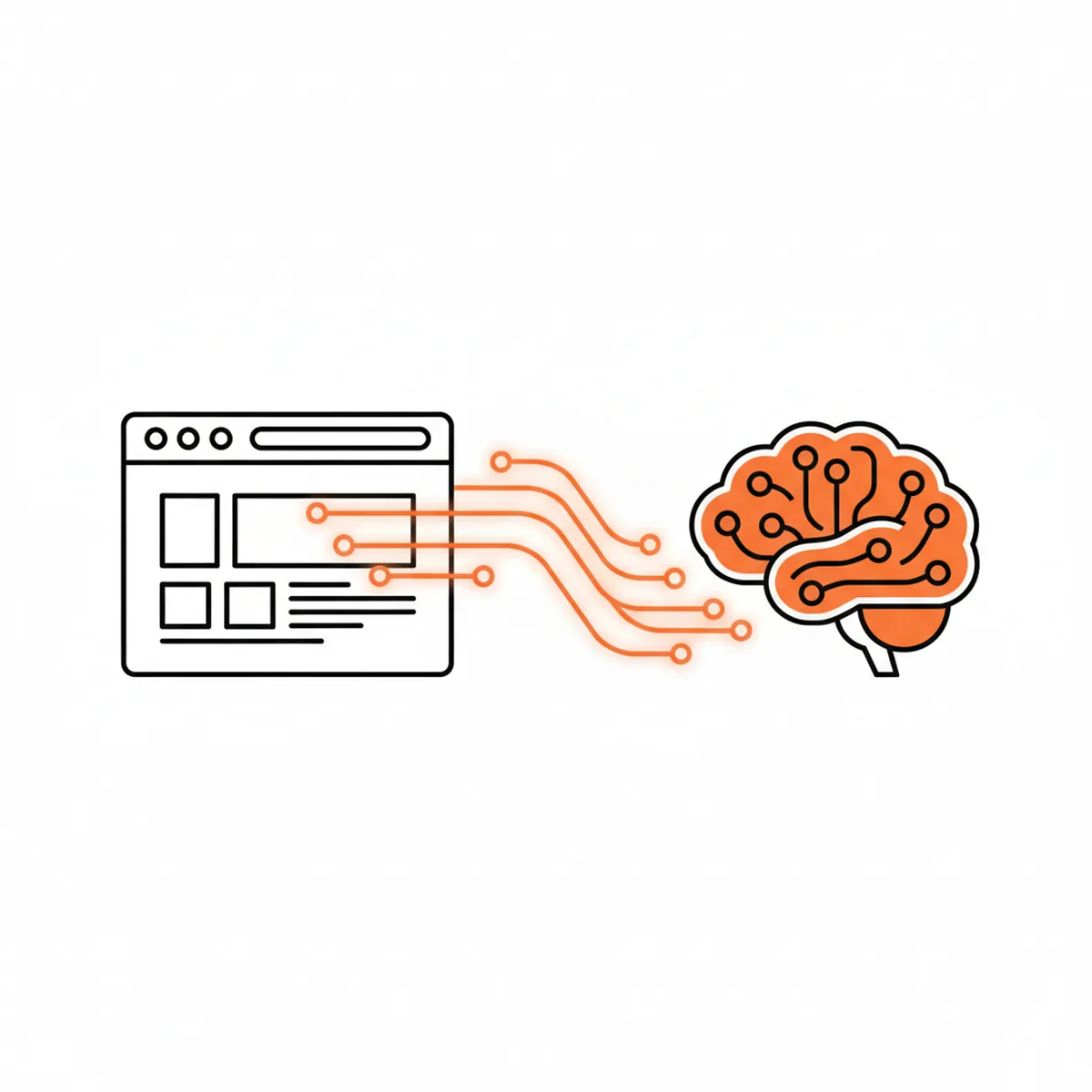
AEO best practices help bridge the gap between your website content and AI answer engines.
Quick answer
AEO best practices center on optimizing content for direct, factual retrieval by AI models. Focus on implementing structured data, using a clear Q&A format, maintaining high factual accuracy, and organizing content with semantic HTML. These strategies ensure your brand appears as the cited source in AI-generated answers and summaries.
To master AEO best practices, you must focus on structure, authority, and directness. Answer Engine Optimization (AEO) involves tailoring your digital content so AI-driven platforms like ChatGPT and Perplexity can easily parse and cite it. By prioritizing clear definitions, schema markup, and concise answers, you secure your brand's visibility in a world where users increasingly skip search results for direct AI responses.
What are AEO Best Practices and Why Do They Matter?
Before we dive into tactics, we need to define the core entities that drive modern search. An Entity is a well-defined object or concept that search engines can uniquely identify, such as a person, place, or specific business service. In the context of Answer Engine Optimization (AEO), this refers to the process of optimizing web content specifically for AI models and voice assistants rather than just traditional blue links.
A vital part of this is Structured Data, which is a standardized format for providing information about a page and classifying the page content. We also look closely at the Knowledge Graph, a programmatic network of real-world entities and their interrelations used by companies like Google and Meta to power their AI answers. Finally, there is Retrieval-Augmented Generation (RAG), the technical process where an AI model looks up specific facts from an external source—your website—to answer a user's prompt accurately.
The Role of LLMs in Information Retrieval
Large Language Models (LLMs) do not "search" the web in the traditional sense. Instead, they predict the next most likely token in a sequence based on their training data and real-time retrieval. When you optimize for AEO, you are essentially helping the model narrow its prediction field. You make it easier for the model to choose your data as the "ground truth."
- Tokenization: Models break your text into chunks. Clean, simple language creates more predictable tokens.
- Context Windows: Models have a limit on how much data they can process at once. Concise answers fit better within these windows.
- Probability Scoring: AI favors information that appears consistently across multiple authoritative nodes.
Why AEO Dominates the Search Landscape in 2026
The shift from "searching" to "answering" is no longer a prediction; it is our current reality. By the start of 2026, the volume of queries handled by AI agents has surged, fundamentally changing how we approach content strategy. According to research from Gartner, traditional search engine volume is projected to drop by 25% by 2026 as consumers move toward AI chatbots.
Furthermore, a study by BrightEdge highlighted that AI-generated overviews now appear for the vast majority of informational queries in high-value sectors. If your brand isn't the one providing the "source" link in that overview, you are losing traffic you once owned through SEO. In 2026, being "page one" matters less than being "the only answer."
| Sector | AI Overview Frequency (Est.) | Traditional Click Erosion |
|---|---|---|
| Healthcare | 84% | High |
| B2B Software | 76% | Moderate |
| E-commerce | 62% | High |
| Finance | 79% | High |
A Step-by-Step Guide to Implementing AEO Best Practices
Implementing these strategies requires a shift from writing for keywords to writing for clarity and data-readability. Use this framework to overhaul your existing pages.
Step 1: Adopt the "Inverted Pyramid" Content Structure
In AEO, the most important information should appear at the very beginning of your section. This mimics the journalistic inverted pyramid style. AI models prioritize the first few sentences of a paragraph when looking for a direct answer.
Why it works: It reduces "noise" for the AI crawler. If the answer is buried under three paragraphs of fluff, the model might choose a competitor who gets straight to the point. Common mistake: Using creative or "teaser" introductions that don't actually answer the user's intent until the very end. Pro tip: Start your answer with the same words used in the question to create a strong semantic match.
Step 2: Implement Advanced Schema Markup
You must go beyond basic "Article" or "Organization" schema. Use specific types like FAQPage, HowTo, and Person schema to define the relationship between your content and the real world.
Why it works: Structured data acts as a translator between your human-readable text and the machine-readable database. It provides the "context" that AI models need to feel confident in your data. Common mistake: Adding schema but failing to validate it, leading to errors that make the data unreadable for bots. Pro tip: Use Schema.org "sameAs" properties to link your entities to authoritative sources like Wikipedia or LinkedIn.
Step 3: Optimize for the "Answer Box" Format
Design your content to be easily snipped. This means using short paragraphs (40-60 words), bulleted lists, and clear table structures.
Why it works: Answer engines love structured lists because they are easy to reformat into a conversational response. Common mistake: Putting critical data inside images or complex JavaScript elements that crawlers cannot easily parse. Pro tip: Include a "Key Takeaways" or "Quick Summary" box at the top of long-form articles to act as a "hook" for AI retrieval. Check out our AEO checklist for more on this.
Step 4: Focus on E-E-A-T and Factuality
Experience, Expertise, Authoritativeness, and Trustworthiness are the pillars of AI citation. AI models like Gemini are programmed to avoid "hallucinations" by prioritizing sources with high trust scores.
Why it works: If your site consistently provides factual, verifiable data, the AI’s "grounding" mechanism will favor your content over unverified blogs. Common mistake: Publishing thin, AI-generated content without human oversight or expert citations. Pro tip: Always link to high-authority external sources like Pew Research Center or official government data to "borrow" authority.
Step 5: Master Semantic Link Building
Internal and external links should describe the relationship between topics. Instead of "click here," use descriptive anchors that define what the target page is about.
Why it works: It helps the AI build a map of your site’s topical authority. Common mistake: Creating a "flat" site structure where all pages are treated with equal importance. Pro tip: Use our content structure for AEO guide to map out your internal link clusters.
Defining Semantic Clusters for AI
To truly master step 5, you must build "Topic Clusters" that act as a knowledge base. AI models look for depth. If you have one page on "RevOps" but ten related pages on "RevOps for SaaS," "RevOps Tools," and "RevOps Metrics," the model views you as a high-confidence source.
- Core Pillar Page: Create a comprehensive guide on a broad topic.
- Supporting Sub-pages: Write 5-10 shorter pieces targeting specific long-tail questions.
- Bi-directional Linking: Link the pillar to the sub-pages and vice versa using exact-match anchor text.
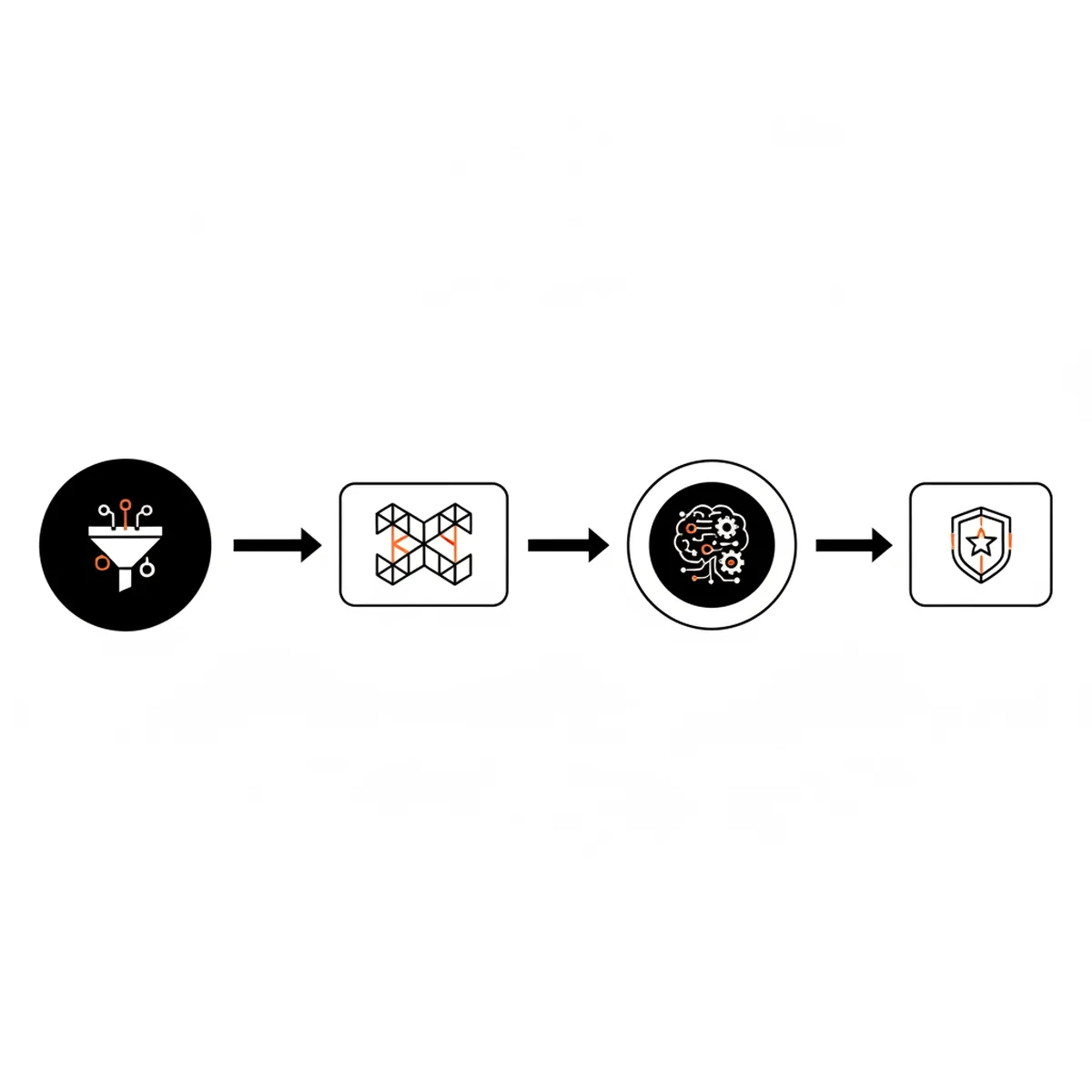
Comparing Traditional SEO vs. Modern AEO
While SEO and AEO share a foundation, their goals and execution differ significantly in 2026.
| Feature | Traditional SEO | Modern AEO (2026) |
|---|---|---|
| Primary Goal | Rank on Page 1 | Become the AI's "Cited Source" |
| Content Format | Long-form, Keyword-dense | Direct, Structured, Q&A |
| Success Metric | Click-Through Rate (CTR) | Brand Mentions & Citations |
| Target Audience | Human Searchers | AI Agents & Human Searchers |
| Primary Tool | Backlinks | Structured Data & Entity Clarity |
| User Intent | Browsing/Discovery | Problem Solving/Action |
5 Common AEO Mistakes to Avoid
- Vague Header Tags: Using "cute" or metaphorical headings instead of descriptive, question-based H2s and H3s makes it impossible for an AI to map your content.
- Ignoring Voice Search Nuance: People speak differently than they type. If you don't account for natural language patterns, you'll miss out on the 50%+ of queries that are now voice-driven.
- Over-complicating Sentence Structure: Complex, meandering sentences with multiple clauses confuse LLMs (Large Language Models). Keep your core facts simple.
- Neglecting Page Speed: AI agents still value crawlability. A slow, bloated site might be timed out by an answer engine’s retrieval bot.
- Failing to Update Facts: AI models are increasingly sensitive to "freshness." Outdated data on your site can lead to a total loss of citation status for that topic.
AEO Best Practices: The Agency "Pro" List
- Audit for Intent: Every page should answer a specific "Who, What, Where, Why, or How."
- The "So What?" Test: If a sentence doesn't add a new fact or necessary context, delete it.
- Be the Source: Conduct original research or surveys to become the "Primary Entity" for a specific data point.
- Monitor "Zero-Click" Trends: Use tools to see if your brand is being mentioned in AI overviews, even if you don't get the direct click.
- Diversify Content Types: Use a mix of text, tables, and lists on every page to provide the AI with multiple "answering" options.
"AEO is not about gaming a system; it is about becoming the most helpful, most structured, and most trusted source of truth in your niche."
Visibility in ChatGPT, Gemini, Copilot, and Perplexity
Each AI platform has a slightly different way of "reading" the web. ChatGPT (OpenAI) relies heavily on its browse feature and high-authority "partner" sites. Ensuring your site is not blocked in robots.txt for the GPTBot is step one. Gemini (Google) leans heavily into the existing Google Knowledge Graph and your site's schema markup.
Copilot (Microsoft) uses Bing’s index but prioritizes content that is clearly formatted for "productivity" and quick answers. Perplexity is perhaps the most "pure" answer engine, as it cites its sources directly in the text. To win here, your content must be the most factual and easy-to-summarize version of the answer available. By following top answer engine optimization strategies, you ensure your brand is the one these engines trust to represent your industry.
Platform-Specific Optimization Nuances
We have observed that different engines prioritize different signals. You should balance your content to satisfy all three major types:
- Conversational Engines (ChatGPT): These value "User Persona" style content. Use first-person expertise and specific anecdotes.
- Search-Integrated Engines (Gemini/Copilot): These rely on your existing SEO strength. You still need strong domain authority and backlinks.
- Pure Citation Engines (Perplexity/You.com): These prioritize accuracy and data tables. If you want to be cited here, provide hard numbers and bulleted conclusions.
Case Study: A 140% Increase in AI Citations for B2B SaaS
We worked with a B2B SaaS client in the fintech space who was seeing a steady decline in organic traffic throughout late 2024 and early 2025. Despite ranking well for "best accounting software," they weren't appearing in the "AI Overviews" or ChatGPT's recommended lists.
Our team implemented a three-month AEO overhaul. We converted their long-form guides into a "Modular Content" format, added deep JSON-LD schema for every product feature, and created a dedicated "AI Resource Center" with clear, factual definitions of industry terms.
The Results:
- 140% increase in brand citations within Perplexity and Gemini.
- 45% growth in "Zero-Click" visibility (where the brand is the primary answer source).
- 22% lift in high-intent demo sign-ups, as users who clicked through from AI answers were more qualified than traditional searchers.
This case shows that while "sessions" might look different in 2026, the quality of traffic coming through AI citations is often much higher than general search traffic. You can see our full range of AEO services to learn how we apply this to different industries.
Essential Tools for AEO Success
- Google Search Console: Essential for monitoring how Google’s bots see your structured data and detecting indexing issues. (Free)
- Semrush / Ahrefs: Now include "AI Overview" tracking features to show you which keywords trigger AI responses. (Paid)
- Schema.org Validator: The gold standard for ensuring your code is technically sound. (Free)
- Perplexity AI: Use it manually to "vanity search" your industry and see which competitors are currently winning the citations. (Free/Paid)
- Our AEO Audit Tool: Get a personalized look at your site’s current AI-readiness. Get a free AEO audit today.
How to Measure Success in an AI-First World
You cannot rely on traditional keyword rankings alone. Instead, track these four KPIs:
- Citations per Query: How many times your URL is used as a footnote in AI responses.
- Entity Share of Voice: The percentage of time your brand is mentioned when an AI discusses your niche.
- Natural Language Impressions: Traffic coming from long-tail, conversational queries.
- Conversion Rate by Source: Comparing "Direct Search" vs. "AI Referral" traffic.
Measurement Checklist:
- [ ] Monthly check of "GPTBot" and "Google-Other" crawl rates.
- [ ] Weekly audit of schema errors in Search Console.
- [ ] Periodic manual testing of core brand queries in ChatGPT and Gemini.
Testing and QA: How to Validate Your AEO Strategy
Before you roll out AEO changes across your entire site, you must test your hypotheses. Large-scale changes can temporarily disrupt traditional rankings, so a staged approach is safer. We recommend a "Test-and-Learn" cycle for every new content cluster.
First, select 10 "sacrificial" pages that get moderate traffic but aren't your primary revenue drivers. Apply the full AEO stack: inverted pyramid writing, advanced schema, and semantic internal linking. Wait for two weeks to allow the AI crawlers to re-index the content.
Once indexed, perform the following QA steps:
- The Prompt Test: Open ChatGPT and Perplexity. Ask a direct question that those 10 pages answer. Do they cite you? If not, the content may still be too "noisy."
- Schema Validation: Run the URLs through the Schema.org validator. One missing comma in your JSON-LD can break the entire entity relationship for an AI agent.
- The Mobile-Voice Check: Read your H2s and first paragraphs out loud. If they sound robotic or too complex, an AI voice assistant like Siri or Gemini Live will likely struggle to relay them clearly.
- Competitor Comparison: Ask an AI, "Who are the top experts in [Your Niche]?" If your brand is missing, look at the sources the AI does cite and analyze their structure.
The Honest Trade-offs: Where AEO Fails
We must be direct about the limitations of this strategy. AEO is not a magic fix for every business, and it comes with real costs. One major trade-off is the loss of creative voice. Because AI models prefer plain, factual, and direct language, you may find your brand voice becoming "colder" or more clinical. If your brand identity relies on flowery prose or abstract storytelling, AEO might actively work against your aesthetic goals.
Another honest truth is the "Zero-Click" problem. By providing the perfect, concise answer, you are giving the AI exactly what it needs to satisfy the user without them ever visiting your site. While this builds brand authority, it can lead to a drop in top-of-funnel sessions. You have to decide if a brand mention in an AI overview is worth a lost click.
Finally, AEO requires constant maintenance. Traditional SEO content could sometimes sit for years and still rank. In AEO, if your data becomes even slightly outdated, AI agents will stop citing you almost immediately. They prioritize the "freshest" truth. This creates a high operational burden for your team to keep all structured data and facts current.
The Future of AEO in 2026 and Beyond
As we look toward 2027, AEO will move from "content on a page" to "data in a stream." We expect to see more "Agentic Search," where AI agents don't just find answers but perform actions (like booking a demo or buying a product) on behalf of the user. To stay ahead, your site must be a "Knowledge Base" that these agents can interact with via APIs and highly structured data. The brands that win will be those that prioritize being the "Single Source of Truth."
Ready to dominate the future of search? Start with a free AEO audit to see where you stand. Our team at Best Answer Engine Optimization Services is here to help you transition from traditional SEO to a dominant AEO strategy. Explore our [full AEO services](/services) and let’s start building your brand’s AI authority today.
Frequently asked questions
What is the main difference between SEO and AEO?+
AEO (Answer Engine Optimization) focuses on optimizing content for AI-driven answer engines like ChatGPT, Gemini, and Perplexity. While SEO aims for high rankings in search results pages, AEO aims to provide the direct, cited answer used by AI to satisfy a user's prompt. AEO relies much more heavily on structured data and direct, factual prose.
How do I optimize my content for ChatGPT citations?+
To optimize for ChatGPT, ensure your website is crawlable by GPTBot and that you use clear, factual language. ChatGPT prioritizes content that is easy to summarize and comes from authoritative, trustworthy sources. Implementing high-quality internal linking and maintaining a clear topical hierarchy also helps the model understand your site's expertise during its 'browsing' phase.
Does schema markup really help with AEO?+
Schema markup is critical for AEO because it provides the 'context' that AI models need to understand facts. By using structured data, you define entities and their relationships in a machine-readable format. This increases the AI's confidence in your data, making it more likely to use your site as a verified source for its answers.
What is the best content format for AEO?+
In 2026, the best content format for AEO is the 'Answer-First' or Q&A style. Start with a direct answer to a likely user question, followed by supporting facts, and then deeper context. Using bulleted lists, markdown tables, and short, punchy paragraphs makes it easier for AI agents to retrieve and re-display your information.
How do I track my AEO rankings?+
You can measure AEO success by tracking brand mentions and citations in AI responses, monitoring 'Zero-Click' impressions in Search Console, and analyzing referral traffic from AI platforms like Perplexity. Tools are now evolving to provide 'AI Share of Voice' metrics, which show how often your brand is recommended by various LLMs compared to competitors.
Is AEO the same as voice search optimization?+
Voice search is a primary interface for answer engines. AEO best practices, such as using natural language and answering questions directly, naturally optimize your site for voice. Since voice assistants like Siri and Alexa typically provide only one 'best' answer, AEO is the primary way to ensure your content is the one chosen.
Sources & further reading
Soft next step
Want to see where AI answers mention you — and where they don't?
We run a free AEO audit across ChatGPT, Gemini, Copilot and Perplexity, then hand you the fixes in priority order. Start your AEO strategy today.
Keep reading
AEO Fundamentals
The Definitive AEO Checklist for 2026: Win the AI Search EraContent Strategy
Content Structure for AEO: How to Rank in AI Search (2026)Content Strategy
Top Answer Engine Optimization Strategies for 2026 Visibility